
News & Publication
Exploring the Connection Between Organic Plant Protection and Crop Diversity: A Comprehensive Guide
Time
2026-03-23
Exploring the Connection Between Organic Plant Protection and Crop Diversity Table of Contents Understanding Organic Plant Protection The Importance of Crop Diversity The Link Between Organic Methods and Crop Diversity Benefits of Crop Diversity in Organic Agriculture Effective Organic Plant Protection Strategies Challenges in Organic Plant Protection C
Exploring the Connection Between Organic Plant Protection and Crop Diversity
Table of Contents
- Understanding Organic Plant Protection
- The Importance of Crop Diversity
- The Link Between Organic Methods and Crop Diversity
- Benefits of Crop Diversity in Organic Agriculture
- Effective Organic Plant Protection Strategies
- Challenges in Organic Plant Protection
- Case Studies and Success Stories
- The Future of Organic Agriculture and Crop Diversity
- FAQs
Understanding Organic Plant Protection
Organic plant protection refers to a range of practices aimed at safeguarding crops from pests and diseases without resorting to synthetic chemicals. These methods are built on principles that prioritize environmental health, ecosystem balance, and the sustainability of agricultural practices. By using natural substances and biological processes, organic plant protection seeks not only to maintain crop health but also to enhance the overall vitality of the farming ecosystem.
The Role of Natural Pesticides
Natural pesticides, including plant-derived compounds, beneficial insects, and microbial interventions, play a crucial role in organic plant protection. These agents not only target harmful pests but also promote a healthy biodiversity that supports crop resilience. By harnessing these natural defenses, farmers can effectively manage pest populations without causing harm to the environment or human health.
Soil Health and Plant Protection
Healthy soil is the foundation of effective organic plant protection. Soil that is rich in organic matter fosters beneficial microorganisms that contribute to nutrient cycling and disease suppression. Implementing practices like crop rotation, cover cropping, and composting can significantly improve soil health, thereby enhancing the effectiveness of organic plant protection strategies.
The Importance of Crop Diversity
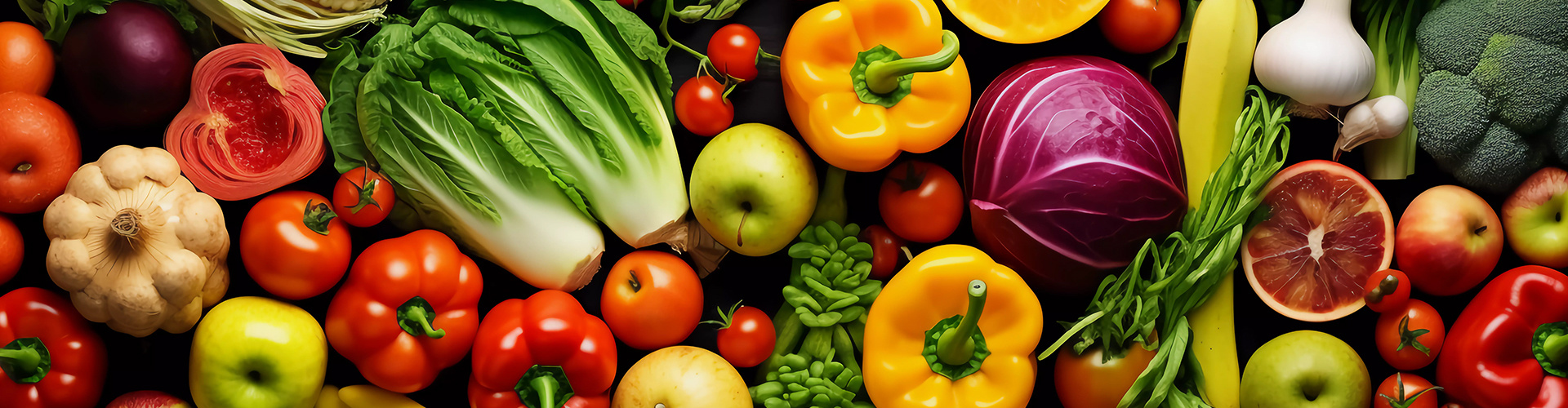
Crop diversity refers to the variety of plant species cultivated in agriculture. This diversity is crucial not only for maintaining the resilience of agricultural systems but also for supporting ecosystem functions. Diverse cropping systems can better withstand pests, diseases, and environmental stresses, ultimately leading to more stable yields.
Enhancing Ecosystem Resilience
A diverse array of crops creates a more resilient agro-ecosystem. Different plants often attract various beneficial organisms, such as pollinators and natural predators of pests. This dynamic interaction enhances the ecosystem's ability to withstand disturbances, such as climate change and pest outbreaks.
Reducing Pest and Disease Pressure
Monocultures are particularly vulnerable to pest and disease outbreaks, as these organisms can rapidly proliferate in a uniform environment. Conversely, crop diversity disrupts these patterns, making it more challenging for pests and pathogens to thrive. By integrating different crop species, farmers can create a balanced environment that naturally reduces the reliance on chemical controls.
The Link Between Organic Methods and Crop Diversity
There is a profound connection between organic farming practices and crop diversity. Organic methods not only encourage a wide range of plant species but also promote practices that protect and enhance these diverse systems.
Promoting Biodiversity Through Organic Practices
Organic farming practices such as intercropping, agroforestry, and polyculture actively promote biodiversity. These strategies allow farmers to cultivate multiple species simultaneously, fostering interactions that benefit all crops involved. The result is a diverse and resilient agricultural landscape that thrives without synthetic interventions.
Soil and Plant Diversity Synergy
The interplay between soil health and plant diversity is vital in organic agriculture. Healthy soils support a rich diversity of microorganisms, while diverse crops contribute organic matter and nutrients back into the soil. This reciprocal relationship enhances both plant protection and overall farm productivity.
Benefits of Crop Diversity in Organic Agriculture
Implementing crop diversity in organic agriculture yields numerous benefits that go beyond simple pest management.
Increased Yield Stability
Diverse cropping systems can lead to more stable yields over time. By reducing the risk of total crop failure due to pests or diseases, farmers can achieve more consistent harvests, which is especially crucial for organic operations that often face market pressures.
Improved Soil Fertility
Diverse plant species contribute differently to soil fertility. For instance, legumes can fix nitrogen, while deep-rooted plants can access nutrients deeper in the soil profile. This natural contribution of nutrients enhances the fertility of the entire system, reducing the need for external inputs.
Effective Organic Plant Protection Strategies
To maximize the benefits of crop diversity, farmers can adopt various organic plant protection strategies that align with their farming systems.
Integrated Pest Management (IPM)
IPM is a holistic approach that combines biological, cultural, and mechanical practices to manage pest populations effectively. This strategy focuses on understanding pest life cycles and using ecological principles to disrupt their development while minimizing environmental impact.
Utilizing Cover Crops
Cover crops are essential in organic farming for their ability to enhance soil health, suppress weeds, and manage pests. By planting cover crops during off-seasons, farmers can improve soil structure and create habitat for beneficial organisms.
Challenges in Organic Plant Protection
Despite the advantages, there are challenges associated with implementing organic plant protection in diverse cropping systems.
Pest Resistance
Over time, pests may develop resistance to organic control methods, creating challenges for farmers. Continuous monitoring and adapting strategies are essential to mitigate this risk.
Resource Limitations
Organic farming often requires more labor and time compared to conventional methods. Farmers may face constraints in resources, which can limit their ability to implement diverse cropping systems effectively.
Case Studies and Success Stories
Examining real-world examples of successful organic plant protection and crop diversity can provide inspiration and practical insights for farmers.
Farmers Leading the Way
Numerous farmers around the world have successfully integrated organic practices with crop diversity. From utilizing intercropping techniques to implementing advanced IPM strategies, these pioneers demonstrate the potential for sustainable agriculture.
Research-Driven Success
Research institutions are also playing a critical role in advancing organic plant protection methods. Collaborative projects that focus on biodiversity and pest management have shown promising results, encouraging farmers to adopt innovative practices.
The Future of Organic Agriculture and Crop Diversity
The future of organic agriculture is bright, particularly concerning the relationship between organic plant protection and crop diversity.
Innovation in Organic Practices
Technological advancements are paving the way for innovative organic practices. From precision agriculture tools to new organic pest control solutions, the future holds promise for enhancing crop diversity and sustainability.
A Sustainable Path Forward
As global awareness of environmental issues grows, the demand for organic products will likely increase. This shift presents an opportunity for farmers to invest in diverse cropping systems, benefiting both their livelihoods and the planet.
FAQs
1. What are the main benefits of organic plant protection?
Organic plant protection promotes environmental health, enhances biodiversity, and supports sustainable agricultural practices.
2. How does crop diversity affect pest management?
Diverse cropping systems disrupt pest life cycles and reduce reliance on chemical controls, leading to more resilient agricultural systems.
3. Can I implement organic practices on a small scale?
Yes, organic practices can be adapted for small-scale farming, making them accessible to a wide range of farmers.
4. What role do cover crops play in organic agriculture?
Cover crops improve soil health, suppress weeds, and support beneficial organisms, making them a critical component of organic farming systems.
5. How can farmers combat pest resistance in organic systems?
Farmers can monitor pest populations, diversify control methods, and adapt their strategies to address the risk of pest resistance effectively.
Conclusion
The connection between organic plant protection and crop diversity is a vital aspect of sustainable agriculture. By understanding and harnessing this relationship, farmers can not only improve their crop yields but also contribute to a healthier ecosystem. As organic practices evolve and innovation continues, the future of agriculture holds exciting possibilities for promoting biodiversity and ensuring food security. Embracing these principles will pave the way for a more sustainable and resilient agricultural landscape.
Latest News




Email:
Address 1 : Salt-chemical Industrial Zone, Dingyuan County, Chuzhou, Anhui Province, China
Address 2 : 19F, Block A, Zheshang Building, Science Avenue, Hefei City, Anhui Province, China
Leave Message
We will contact you within one working day. Please pay attention to your email.
This website already supports IPV4/IPV6 bidirectional access